The Phenomenon of Kolomyia. How a Small Town Creates Miracles: Three Museums, the Mysterious Voyt Voronko, and the Wishing Pysanka
Life | | 317 | Author: Olena Zelenina
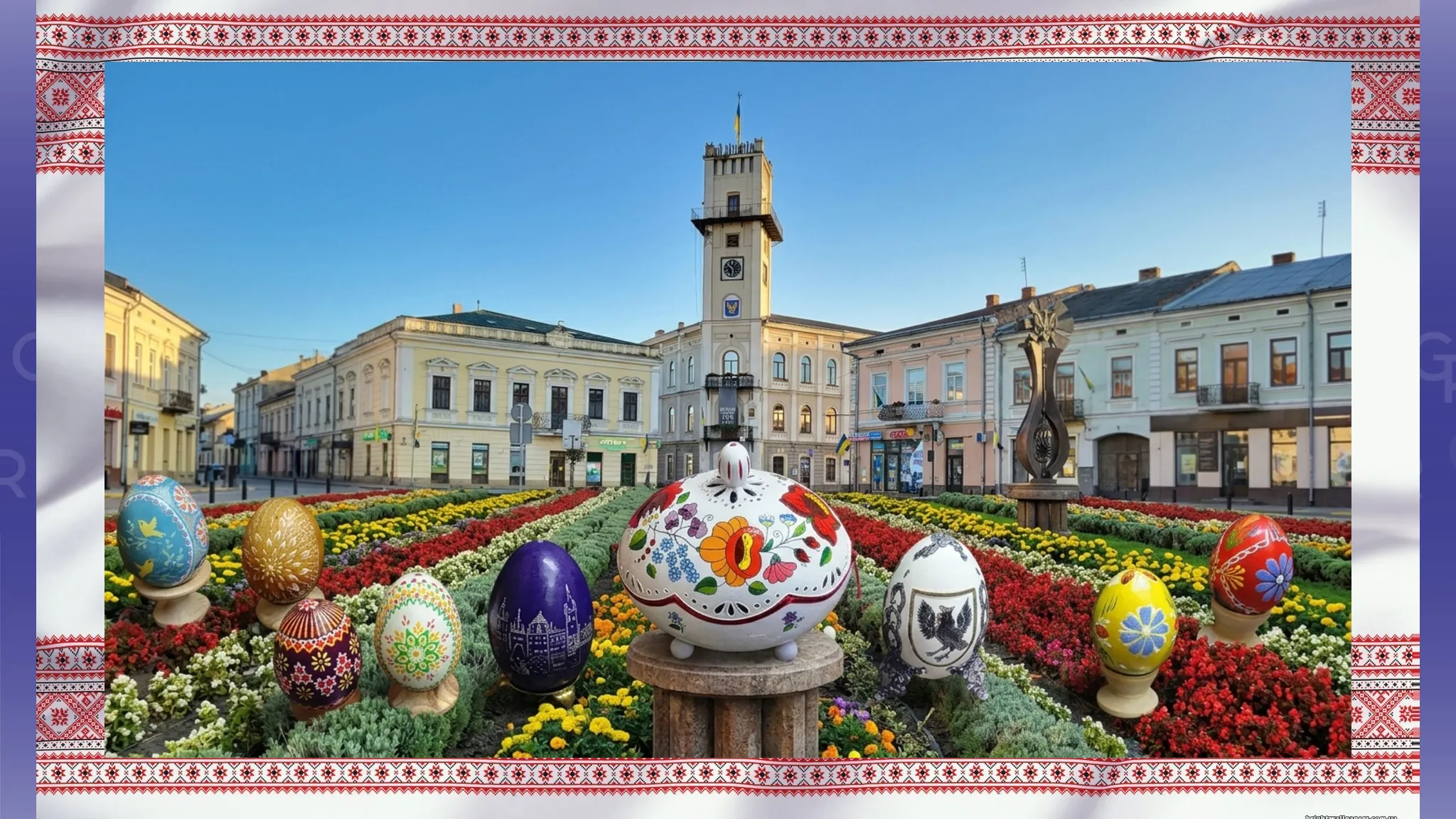
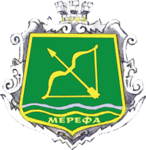
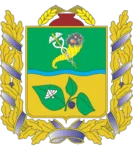
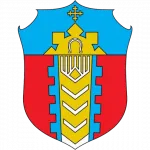
Collage by Olena Zelenina.
I am still deeply impressed by the atmosphere of Kolomyia.
At first glance, it is just a cozy district center — a population of only 67,000 (and officially about 75,000, including those fellow compatriots for whom the city became a haven during the war).
Walking through the blooming streets with my female colleagues, I kept catching myself thinking: how does this town manage to create something truly amazing and original literally out of nothing?
Just think about it:
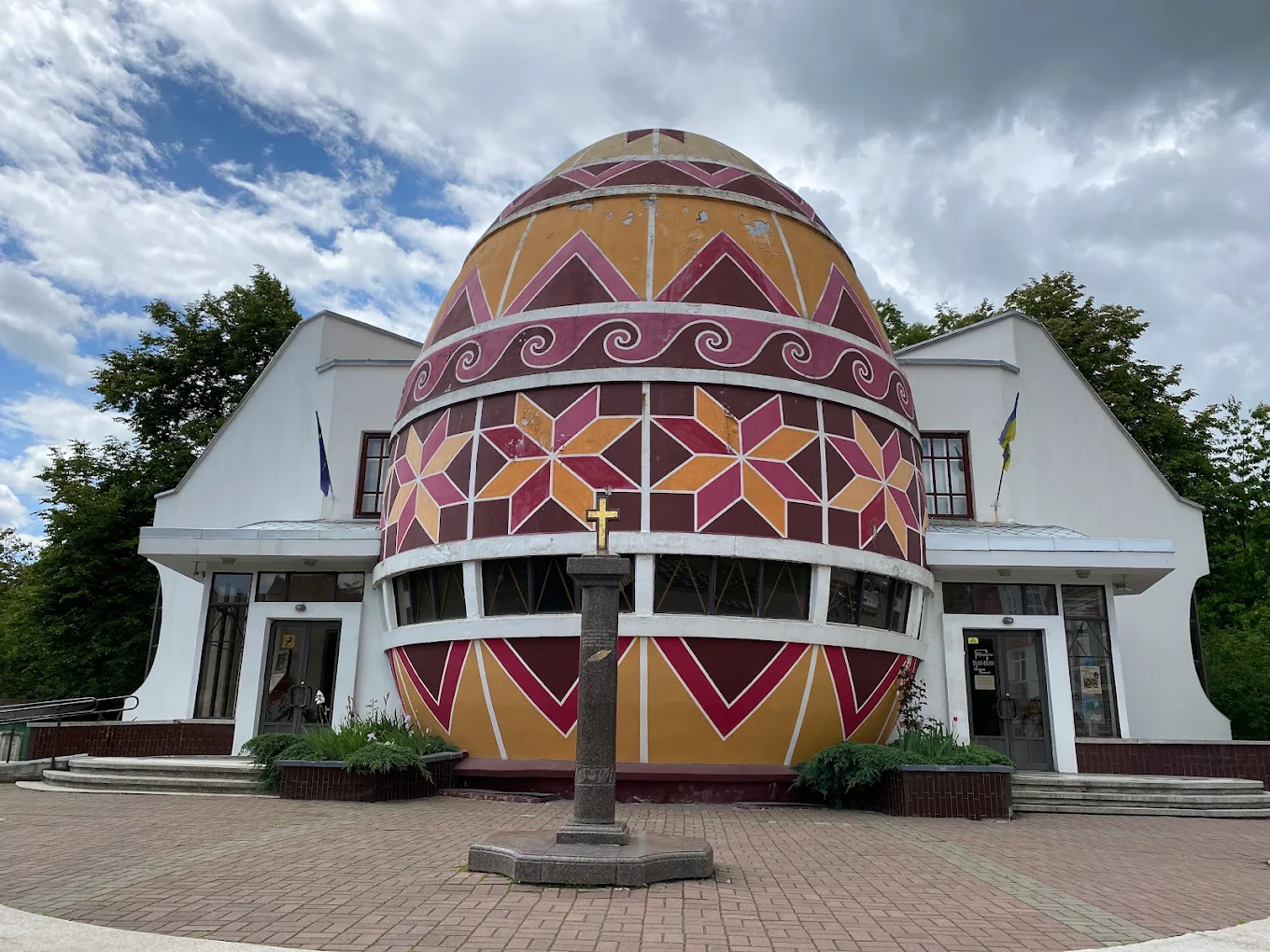
Three magnificent museums! One of them — the Museum of Pysanka Painting — is a world-class architectural and design masterpiece.
What fascinates is not only the exhibits — our pysanka, decorated by Ukrainians across all continents, as well as the collection kindly returned by the FRG government after being looted by Nazi occupiers during World War II.
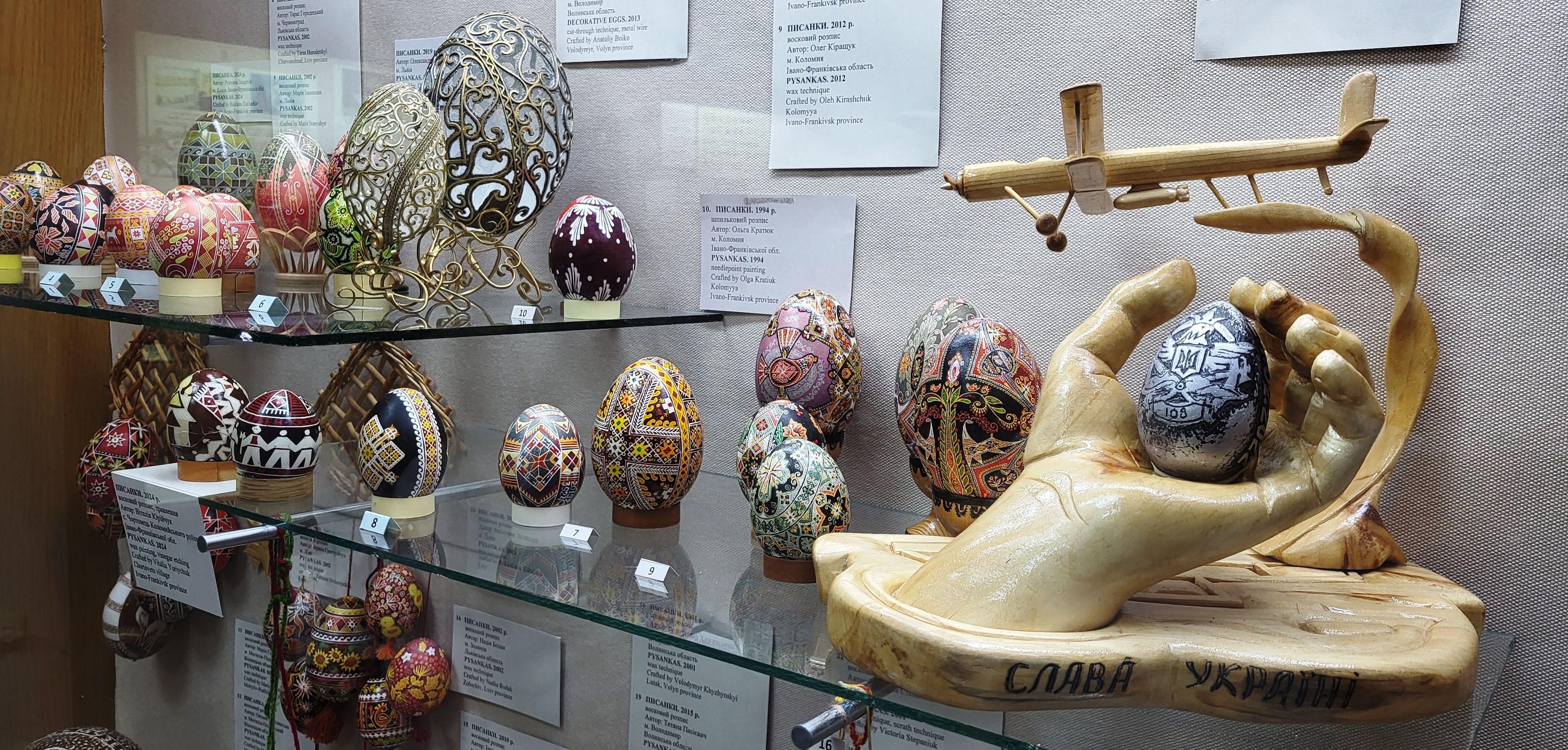
The building's construction and interior design are equally striking — very modern with unexpected details (such as a triangular (!) atrium extending from the second to the first floor). This triangle creates an optical balance with the roundness of the egg — the symbol of the Universe.
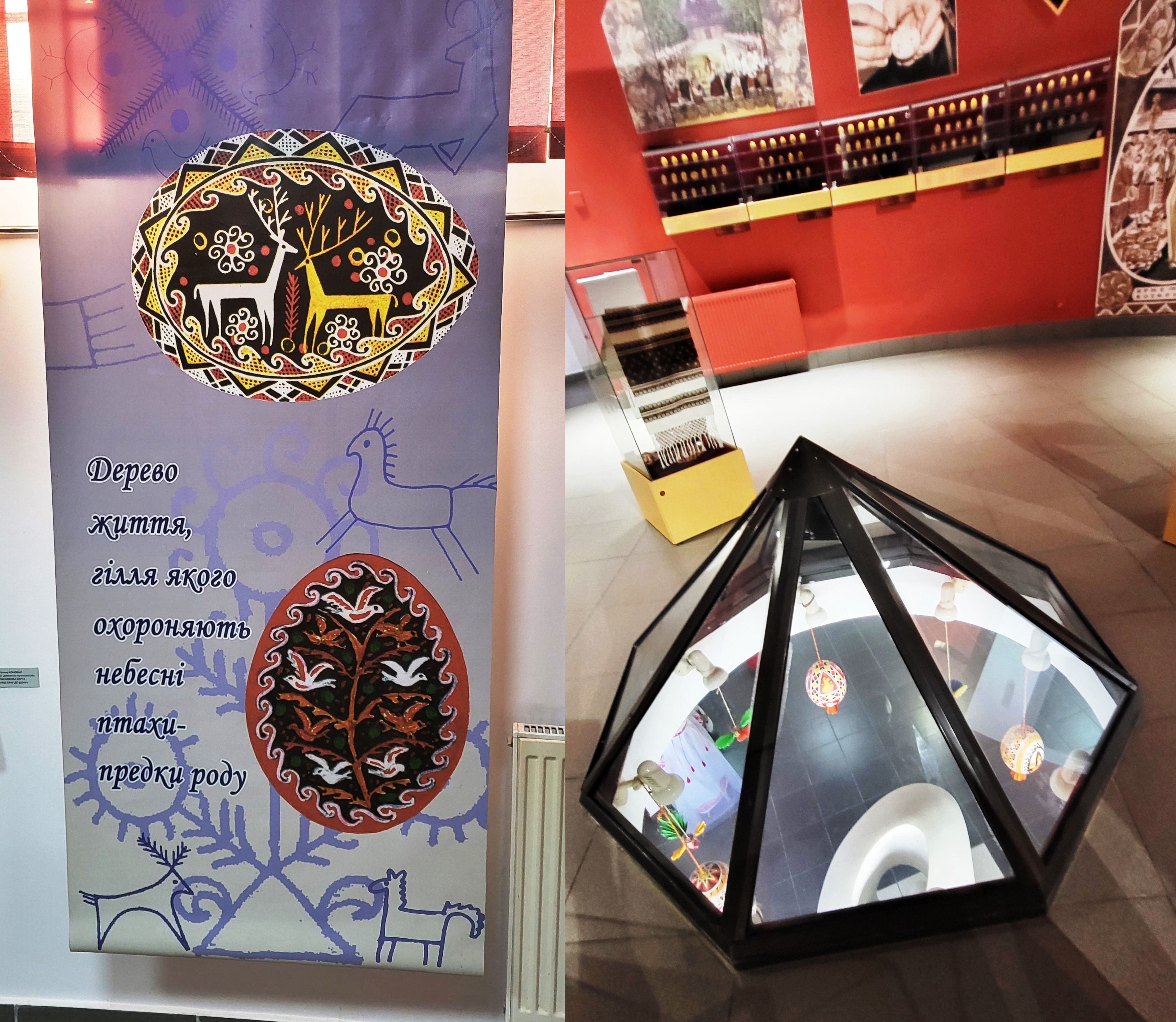
Even the color scheme is surprising, sustained in milk-white and deep-pink tones.
Thanks to the outer walls made of stained glass, a special sacred effect is created inside the museum: sunlight refracts through the colorful stained-glass elements, flooding the interior space with soft colored light that further emphasizes the beauty of the miniature exhibits.
The legendary Ivan Ozarkevych Theater, where an artistic atmosphere is felt in every detail.
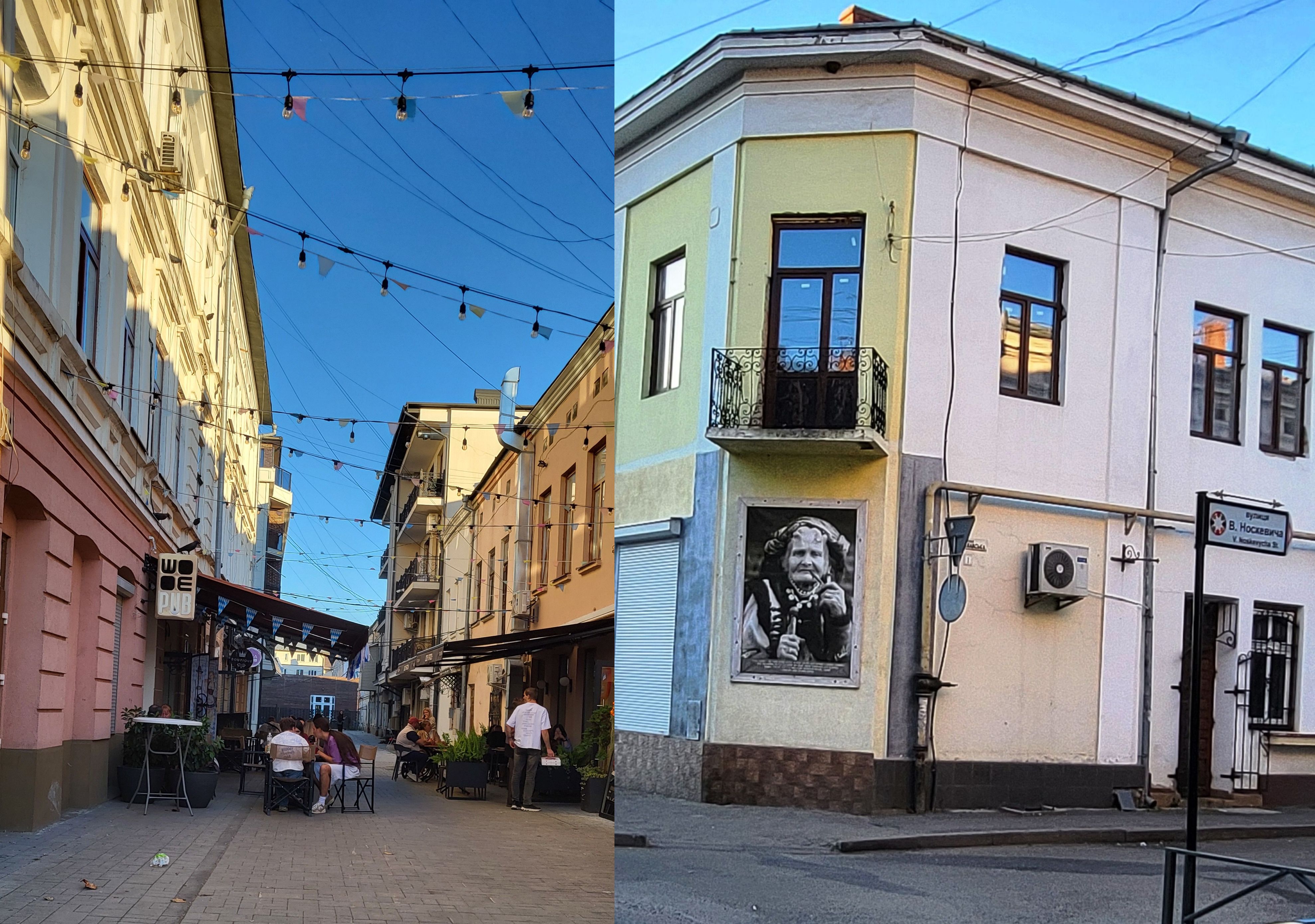
Neat, restored facades of the old town that literally shine, and Market Square — a true aesthetic delight for the eyes.
But most impressive of all is the local community's deep respect for its own history. Even a seemingly small detail like the memorial on the site of the first monument to Taras Shevchenko.
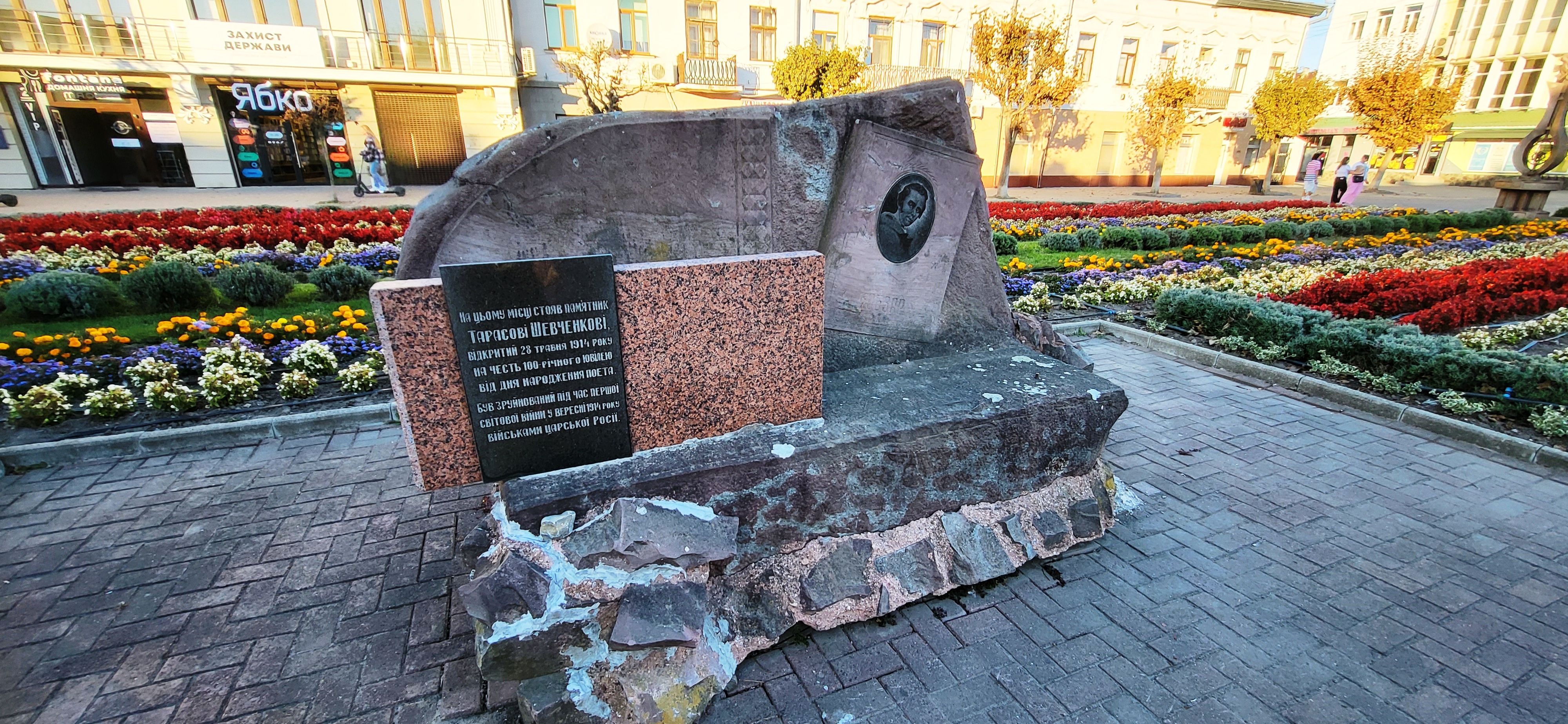
It was in Kolomyia on May 28, 1914, for the 100th anniversary of the Kobzar's birth, that the very first bust of Shevchenko was unveiled on Market Square.
Regrettably, it was destroyed by Russian imperial troops. And although a large new monument to the Poet was erected in the city long ago, that historical site was not forgotten — it was turned into a commemorative memorial, which has become another special tourist location.
We also stumbled upon a small plaque on the city hall building with the inscription: "Voyt Voronko".
To be completely honest, at first one might think that "Voyt" is a first name and "Voronko" an ancient nickname. However, a voyt is a position — an ancient head of the city.
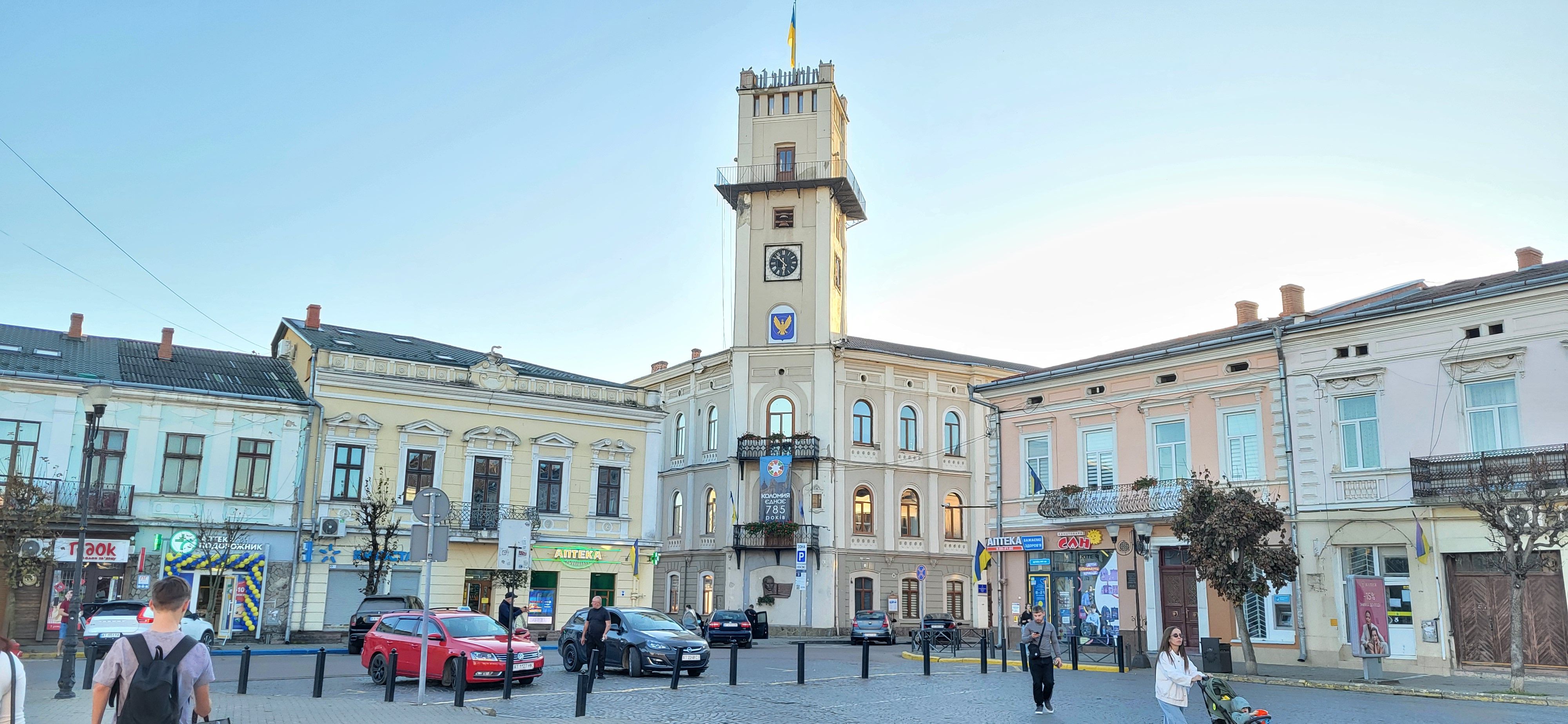
The history of this figure is truly unique: Voronko was the first known from archives and the last voyt of Kolomyia's princely era in the 14th century.
In 1398, Polish chroniclers recorded an amazing fact: at that time, three national communities coexisted in Kolomyia, and it was the Ruthenian (Ukrainian) community, living under ancient Ruthenian law, that was headed by voyt Voronko.
This single name mentioned in documents became a foundational discovery for local historians.
After Voronko, Kolomyia got its next city head of Ukrainian origin only 450 years later — in 1848, during the "Spring of Nations".
As early as October 1405, King Vladislaus II Jagiello granted Kolomyia Magdeburg rights, after which the city flourished: a magistrate appeared, its own trade weights, a monopoly salt warehouse (Kolomyia salt was known from Hungary to Moldavia), and local merchants were referred to in contemporary chronicles by a distinct term — "Kolomyians".
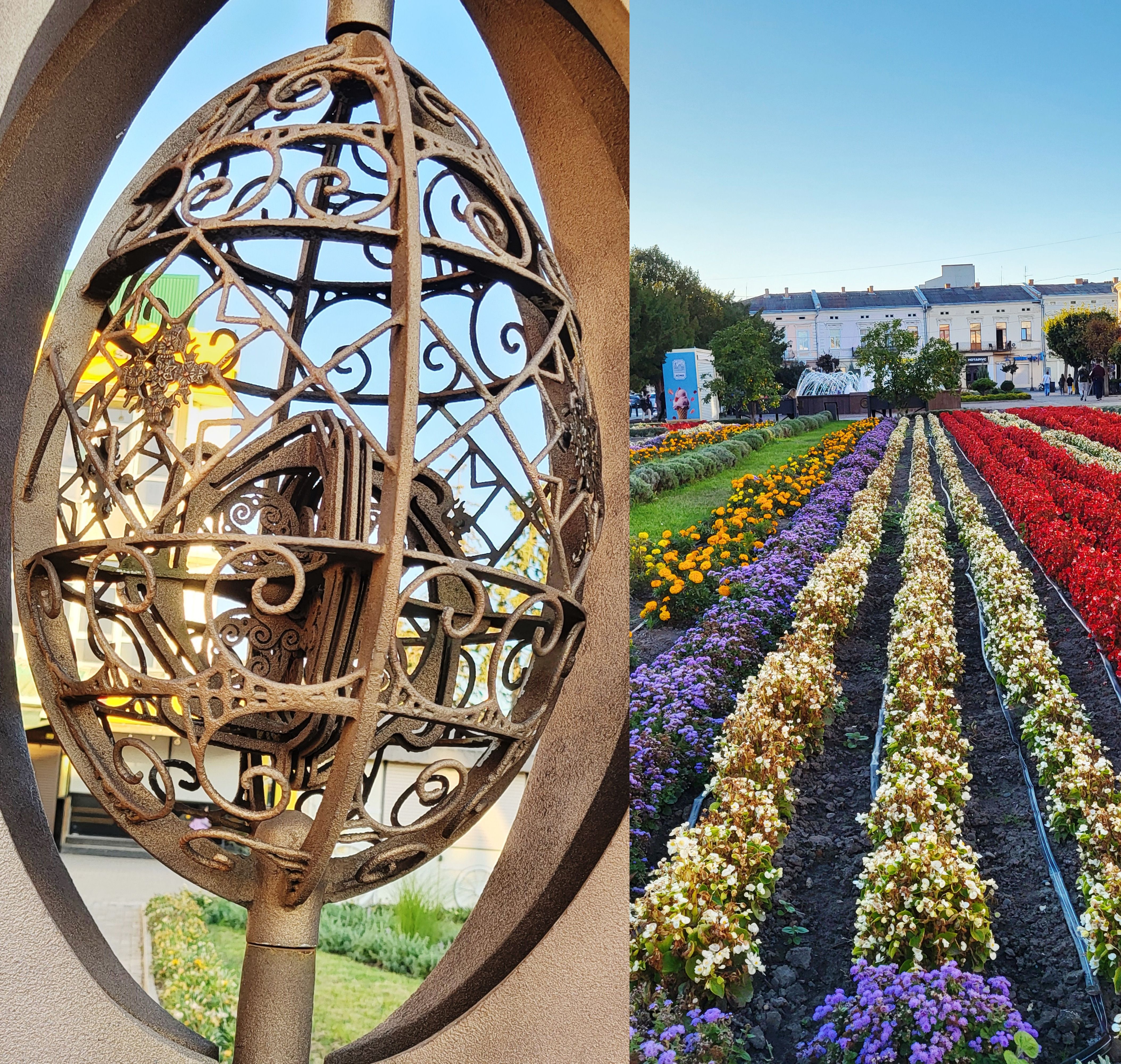
Concluding our walk, we stopped near another symbolic location on the boulevard — a metal installation in the shape of a pysanka. Locals say you can rotate it and make your most cherished wishes, which are sure to come true.
We — three female journalists from Kharkiv, Pavlohrad, and Kolomyia — rotated this pysanka and together wished for the main thing: the fastest and necessarily JUST PEACE for all our people.
And, of course, that the one whose name one doesn't even want to pronounce out loud finally sets off on his last journey straight to Hell.
This is how one short walk opens up a whole universe of European history, coziness, and faith in a better future. Kolomyia is an incredible combination of strong roots, originality, and warm hospitality. If you haven't been here yet for coffee and history, I sincerely recommend visiting this wonderful city in Pokuttya.
The "Gromada Group" local media network works thanks to your trust.
Support independent regional journalism with a donation.


Comments
Some more relevant news for now